Formula Student is an international engineering competition in which university students design, build, validate and race a single-seat car from the ground up. Its roots go back to Formula SAE, founded in the United States in 1981, while the first UK demonstration event under the Formula Student name took place in 1998. CV covers combustion and hybrid vehicles, while EV refers to electric vehicles. Driverless and autonomous systems compete through the Driverless Cup and autonomous disciplines available to eligible CV or EV cars. Before reaching the track, cars must pass technical inspection. Teams defend their design, cost, manufacturing approach and business plan in static events, then demonstrate acceleration, skidpad, autocross and endurance performance in dynamic events. The strongest overall package wins—not simply the fastest car, but the team that combines reliability, efficiency and well-founded engineering decisions.

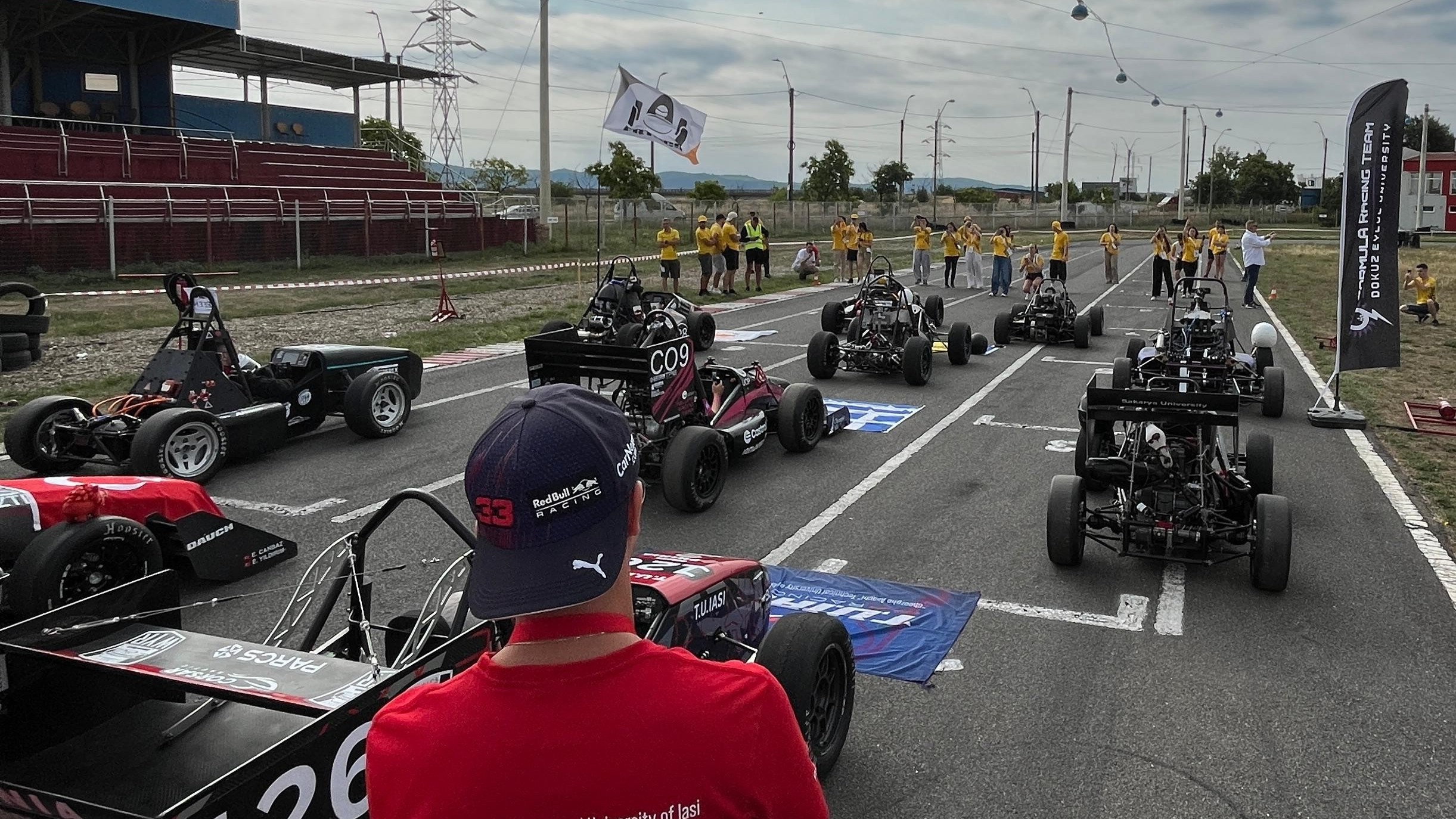
Formula Student Romania competition groundsSAUFormula team archive
Scores reflect the CV/EV distribution in the 2026 international Formula Student rules. Event handbooks may change implementation details.
01 · Pre-track assessment
Static Events
325
Total points
75 Points
Business Plan Presentation
The team turns its car, or a related idea, into a sustainable business model and presents it to judges acting as investors. Alongside the technical product, the target audience, revenue model, market approach, financial plan and growth strategy are evaluated as one coherent proposal.
Judges focus on
Feasibility of the business idea, financial consistency, persuasive delivery and question-and-answer performance.
100 Points
Cost & Manufacturing
The car’s materials, parts, labour and manufacturing steps are developed into a detailed cost report. Judges examine whether the chosen manufacturing methods are realistic and cost-effective, and how the team manages the balance between budget and performance.
Judges focus on
Cost accuracy, manufacturing knowledge, process planning and the engineering response to a changing scenario.
150 Points
Engineering Design
Engineering Design
The team presents the car’s architecture, design targets, calculations, simulations and physical test results to experts from the automotive and motorsport industries. Evaluation covers not only the final part, but also the decisions behind it and how the systems work together.
Judges focus on
Technical depth, innovation, validation, manufacturability and the team’s ability to defend its decisions.
02 · On-track assessment
Dynamic Events
525
Driven-event points
50 Points
Acceleration
Acceleration
Starting from rest, the car covers a 75-metre straight in the shortest possible time. The event tests not only engine power, but also drivetrain performance, tyre grip, weight transfer and the driver’s launch consistency. The best valid run determines the score.
100 Points
Autocross
Autocross
A narrow, technical course of less than roughly 1.5 kilometres is completed as a single timed lap. Slaloms, corners of different radii and short straights reveal the car’s agility, braking balance and the driver’s precision. The best valid lap determines the score.
50 Points
Skidpad
Skidpad
The car completes right- and left-hand turns on a figure-eight course formed by two circles. Lateral grip, suspension balance, steering response and tyre behaviour become visible in this event. Hitting cones or leaving the course adds time penalties.
250 Points
Endurance
Endurance
The roughly 22-kilometre race is completed by two drivers, each covering around 11 kilometres without changing cars. In the longest and highest-scoring driven event, reliability, thermal management, brakes, suspension, drivetrain and error-free team operation matter as much as speed.
75 Points
Efficiency
Efficiency
Efficiency combines the fuel or electrical energy used during Endurance with the car’s track performance. The goal is not merely to use less energy, but to maintain a competitive pace, bringing power management, mechanical losses and driving strategy into one assessment.
03 · Optional driverless events
150 additional points.
Under the 2026 rules, eligible CV and EV teams can earn additional points in Driverless Acceleration and Driverless Skidpad. This optional 150-point section is added to the 525 points available across the five driven dynamic events.
75
Points
Autonomous straight-line performance
Driverless Acceleration
75
Points
Autonomous lateral performance
Driverless Skidpad
From race week
FORMULA STUDENT ROMANIA.
Beyond the event descriptions, this gallery shows ADA-02’s preparation at the competition, the team’s work and the Formula Student atmosphere.
01 · FORMULA STUDENT ROMANIA
Competition grounds
Student teams from different countries meet on the same track; every car represents thousands of engineering decisions made over an entire season.
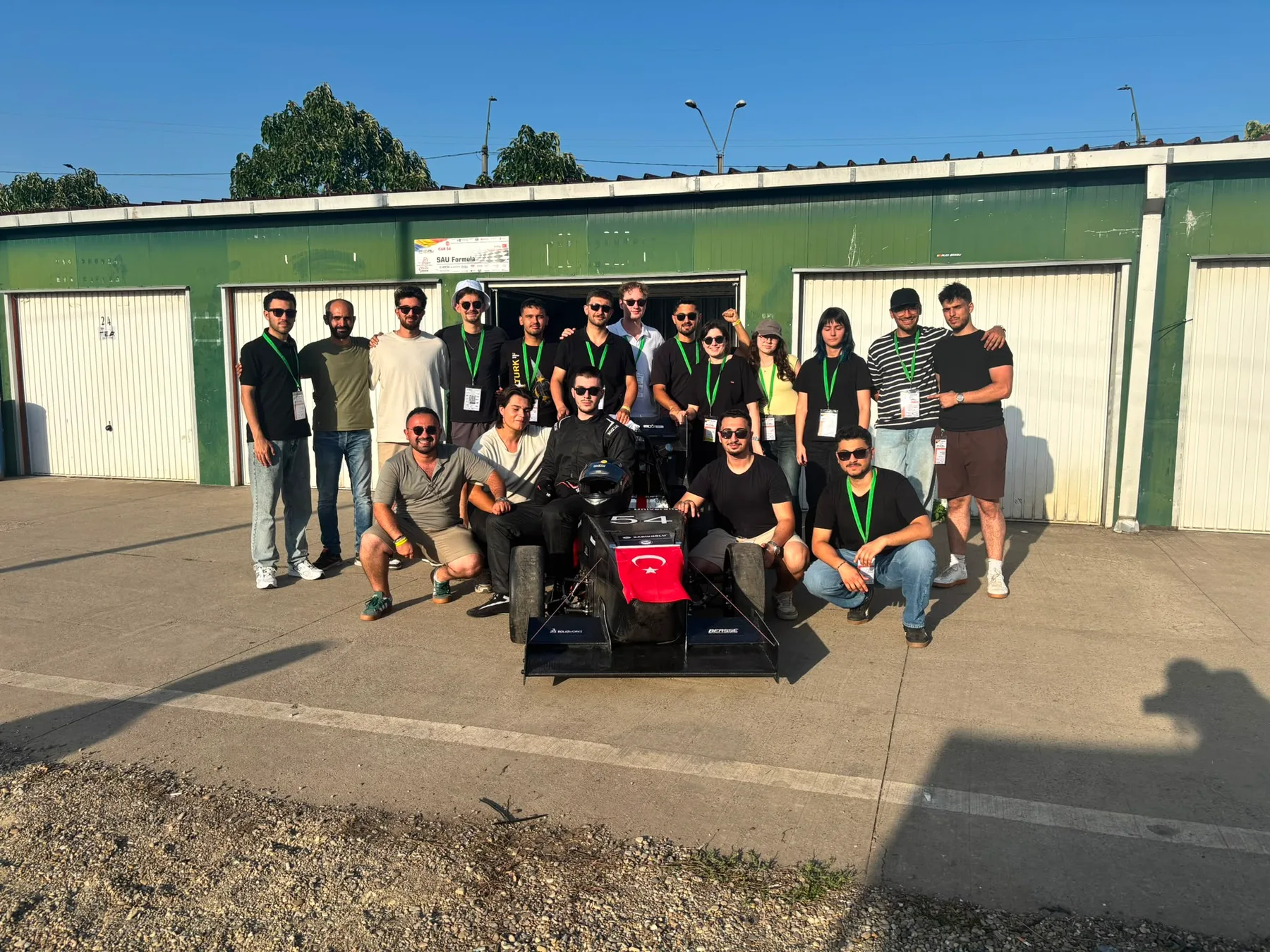
02 · FORMULA STUDENT ROMANIA
Teamwork
Every step, from technical inspection to going on track, requires drivers, engineering departments and operations leads to work at the same time.
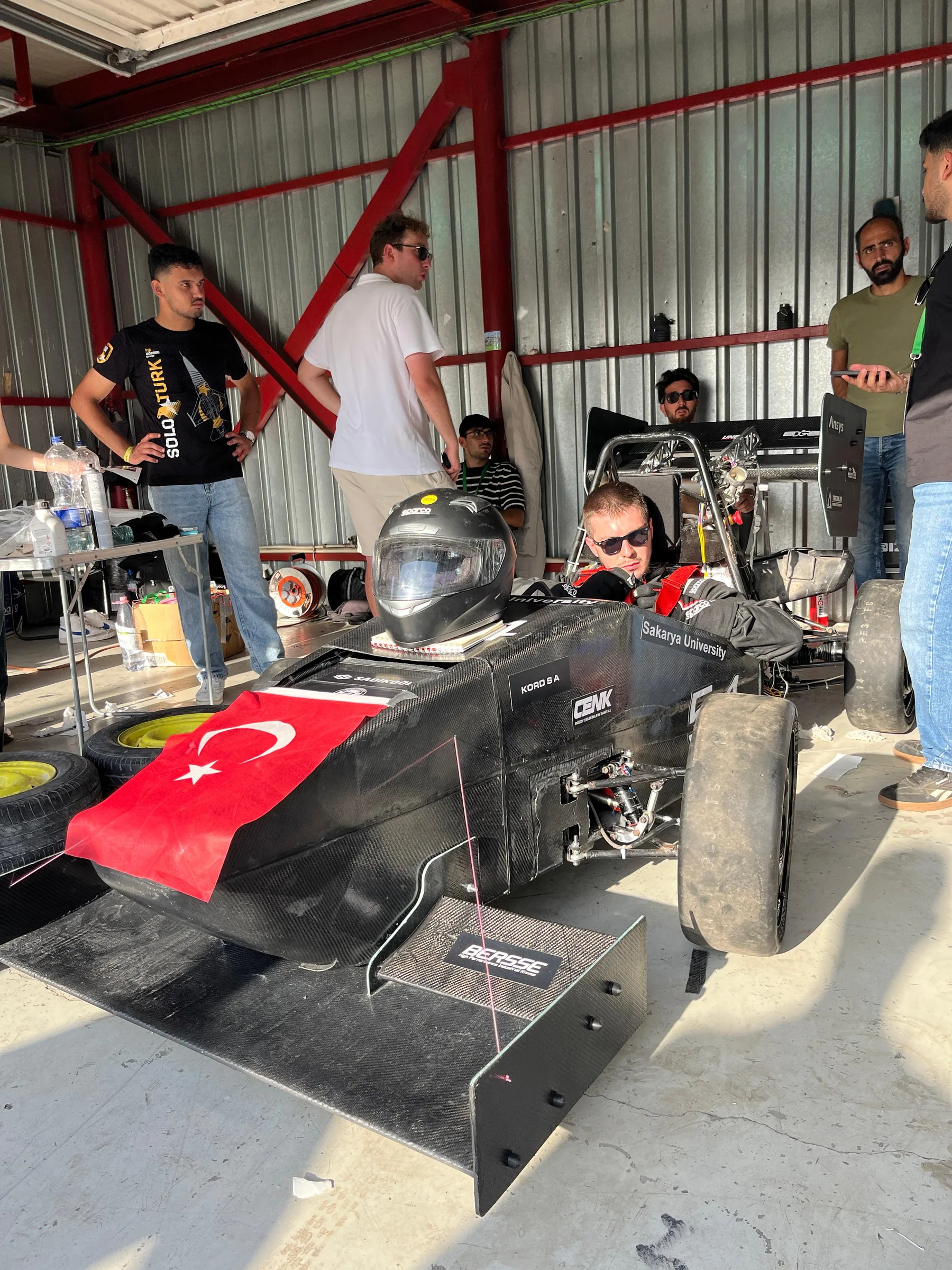
03 · FORMULA STUDENT ROMANIA
Preparation and validation
The paddock is more than a service area: it is where measurements are checked, problems are solved and the car is prepared for the next event.